
Lean initiatives live or die by leadership. A skilled project manager in manufacturing bridges the gap between the shop floor and the corner office, turning broad ideas into concrete action items everyone can follow.
By translating strategy into daily tasks, the manager keeps improvements tied to real numbers – units per hour, scrap rates, and downtime. This clear focus prevents side projects from draining resources.
With one eye on profit and the other on people, the manager rallies team members, aligns vendors, and clears roadblocks before they threaten progress. Great leadership sets the tone for every lean win that follows.
Success begins with boundaries. A well-defined project scope states what the team will do – and what it won’t. That clarity stops scope creep, protects budgets, and keeps energy trained on high-value tasks.
Early workshops turn broad visions into measurable project goals: “Cut changeover time by 25%” or “Raise first-pass yield to 98%.” Numbers beat buzzwords every time.
Once the scope and goals are locked, the project manager shares them in plain language so everyone, from machinists to senior staff, understands the target and their role in hitting it.
SLean is a team sport. The manager selects a diverse project team – operators who know the machines, engineers who know the data, and buyers who know the vendors.
Each person brings unique insight. Line workers reveal hidden delays; maintenance techs flag wear patterns; finance warns of cost spikes. These voices help design solutions that last.
By giving team members clear ownership of tasks and celebrating quick wins, the manager fuels motivation and turns skeptical staff into lean champions.
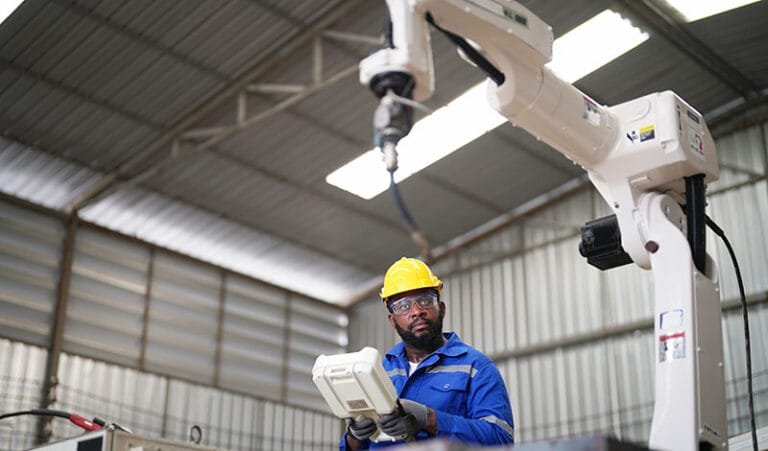
Even perfect plans fail if people misunderstand them. Strong communication skills let the project manager explain complex ideas in everyday words. Charts, color-coded boards, and daily huddles keep messages short and memorable.
Two-way feedback matters just as much. Listening sessions let workers raise concerns early, saving time and money later.
Regular updates – short, clear, and honest – build trust. When the whole plant hears the same message, confusion drops and cooperation rises.
A grand plan needs a calendar. The project manager breaks big goals into weekly milestones, creating a visible project timeline that guides daily actions.
Each deadline includes buffer time for supplier delays or unplanned machine downtime. This honest scheduling prevents panic and overtime spikes.
Posting progress where everyone can see it turns the timeline into a living scoreboard. Staff cheer when tasks turn green and rally when dates slip, reinforcing teamwork and urgency.
While the timeline shows the big picture, detailed project schedules outline hour-by-hour tasks – install sensors Tuesday, run pilots Wednesday, analyze data Friday.
The manager ties every task to a named owner, a finish date, and needed resources. Gantt charts or simple whiteboard grids work equally well if updated daily.
Frequent check-ins catch conflicts fast. When a supplier ships late, the schedule shifts before the whole plan derails, protecting downstream activities and keeping morale high.

Spreadsheets alone cannot track hundreds of moving parts. Digital project management tools – scannable Kanban cards, cloud dashboards, and mobile checklists – give real-time status at a glance.
QR codes on machine stations let operators log issues on the spot. The manager sees alerts, assigns fixes, and verifies closure without leaving the office.
These tools turn raw data into clear visuals, helping everyone spot bottlenecks and celebrate progress in minutes, not hours.
For larger programs, full-scale project management software ties schedules, costs, and documents into one secure hub. Role-based dashboards show each stakeholder only what they need.
Automated reminders prompt approvals, preventing paperwork from sitting in inboxes. Live cost tracking warns managers before budgets break.
Integration beats isolation; connecting the software to ERP and maintenance systems removes double data entry and ensures every department works from the same truth.
Metrics steer decisions. The manager selects three to five key indicators – cycle time, downtime minutes, defect rate – and posts them daily.
Green, yellow, and red zones show status at a glance, letting crews react before minor slips become major delays.
By tying incentives to visible project progress, leaders turn dashboards into motivators, not just reports. Small wins build momentum toward big results.
Lean means more than cutting fat; it means adding value wisely. Real-time tracking of project costs compares actual spending to the budget every week.
When overruns loom, the manager looks for creative fixes: renegotiate vendor terms, reuse fixtures, or stagger overtime. Cost control becomes team sport, not a top-down decree.
Transparent finance builds trust. When workers see savings funnel back into bonuses or upgrades, they support cost discipline gladly.
Speed has no value if defects rise. The project manager aligns every improvement with strict quality standards – ISO specs, customer tolerances, or regulatory codes.
Inline gauges, vision systems, and poka-yoke devices form the backbone of strong quality control. Each error triggers root-cause analysis, not blame.
By embedding checks inside the process, the team prevents bad parts instead of sorting them later, saving time and preserving customer trust.
Lean eliminates waste – extra motion, excess inventory, unclear steps. Value-stream mapping spots slow handoffs and congested aisles in existing production processes.
Cross-functional workshops brainstorm fixes: move tools closer, standardize part totes, or automate repetitive lifts.
Each tweak to the manufacturing process frees seconds that add up to hours of extra capacity, letting the plant improve productivity without expensive new lines.
Streamlining workflows by standardizing processes and improving task sequencing helps eliminate bottlenecks, reduce overlap, and boost efficiency. Consistent protocols, like for material handling, enhance overall production flow.
Clear communication between departments is key to lean production. Using reporting channels, digital tools, and regular meetings can reduce downtime and improve efficiency.
Automation of repetitive tasks reduces production time, enhances worker safety, and lets employees focus on more complex, value-added work.
A project stalls if parts arrive late. The manager works with buyers to rank suppliers by lead time, quality, and risk, creating a resilient supply chain.
Kanban restock signals, vendor-managed inventory, and local sourcing reduce stockouts. Shared dashboards let suppliers see upcoming demand and adjust production early.
Partnership beats pressure; treating suppliers as allies, not adversaries, yields better pricing, faster service, and smoother ramps.
Compliance is non-negotiable. The manager reviews OSHA, FDA, or ISO requirements – whatever applies – to ensure every step meets or exceeds industry standards.
Early audits prevent costly rework. Checklists confirm guard rails, labels, and documentation are in place before inspectors arrive.
Staying ahead of regulations protects brand reputation and opens doors to new markets that demand strict certification.
No plan survives contact with the real world. A flexible mindset lets the manager manage project curveballs without panic.
Change-control logs record every tweak – why it happened, what it costs, and who approved. Transparency keeps trust high when schedules shift.
Post-mortem reviews capture lessons learned, feeding the next manufacturing project manager with better data and sharper instincts. Continuous learning is the lean way.
Driving lean success takes skill, tools, and grit. Process Equipment & Controls delivers all three as your dedicated manufacturing project manager partner.
Our professionals align scope, schedule, and budget while guarding safety and quality. From concept sketches to ramp-up, we keep your project timeline tight and your results reliable.
Ready to boost efficiency and cut waste? Contact PEC today to see how our proven project leadership turns ambitious goals into measurable gains on your next manufacturing venture.