

When a piece of production equipment goes down, the troubleshooting call usually splits across three trades: a mechanical tech, an electrician, and a controls technician. Most maintenance contractors only run one of those three, which means the call gets passed twice before the line moves again.
PEC’s industrial equipment maintenance crews carry mechanical, electrical, and controls expertise on the same trip, so you get one root-cause diagnosis instead of three handoffs. The same team who isolates the failed motor can chase the wiring fault back to the control panel, replace the bad relay, and verify the PLC logic restarts the line cleanly.
That cross-trade depth is the reason plants across the Southeast bring PEC in for industrial equipment maintenance work.

PEC’s industrial equipment maintenance scope covers the production assets that keep a plant running.
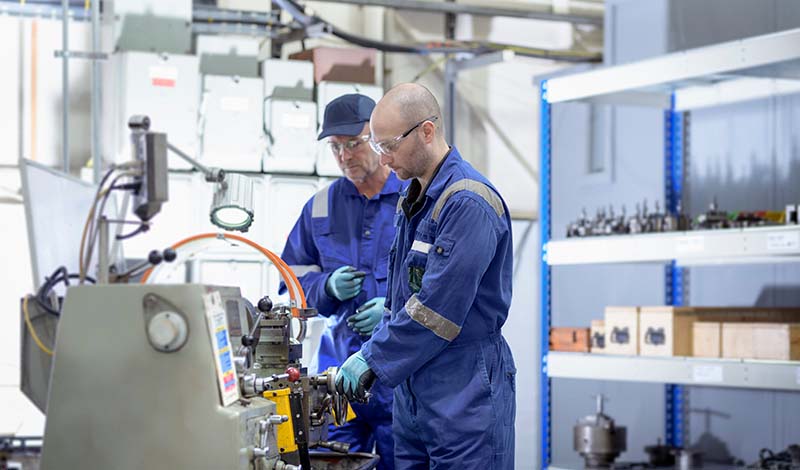
The cheapest equipment failure is the one that does not happen. Preventive maintenance hits the equipment on a schedule so the predictable wear items get caught before they become unplanned downtime.
PEC builds the schedule around your actual production cycle so service windows land when the line is down for changeover instead of fighting for time during a run.
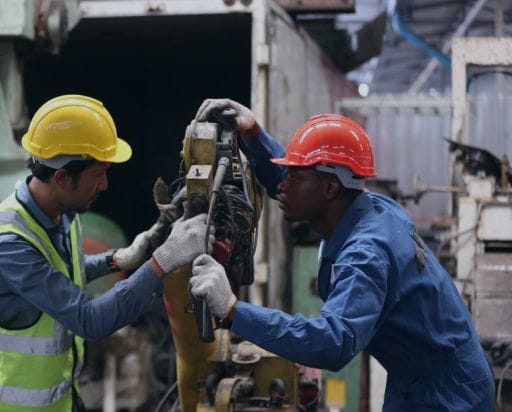
Predictive maintenance fills the gap that preventive cannot reach. Preventive works on a schedule; predictive works on a signal. Vibration analysis on a motor or pump catches bearing wear before the bearing fails. Thermal imaging on an electrical panel catches a loose connection before it arcs. Oil analysis catches contamination or wear metals before the gearbox seizes. Ultrasonic leak detection finds compressed-air losses that are silently inflating utility bills.
PEC integrates predictive monitoring where it has the greatest impact. Critical motors, transformers, and drive panels usually justify it. Smaller, redundant, or easily-replaced equipment usually does not. The conversation we want to have at the start of an engagement is which of your assets are worth instrumenting and which ones are better served by classic preventive checks.

Even with strong preventive and predictive programs, equipment can still fail. PEC’s maintenance and repair crews respond when the line is down: motor swaps, bearing replacements, gearbox rebuilds, hydraulic valve and cylinder repairs, drive replacements, wiring fixes, control panel troubleshooting, programming corrections, and the alignment work that follows.
Because the same team carries mechanical, electrical, and controls capability, the repair often closes quickly instead of needing to bring in additional contractors. When a repair does require parts that are not on the truck, our industrial equipment supplier team handles the procurement so the part is on the floor as fast as the supply chain allows.
Every repair closes with a documented safety check, the values that were changed (torque, alignment, parameter settings), and a brief summary of the root cause so the same failure does not recur.
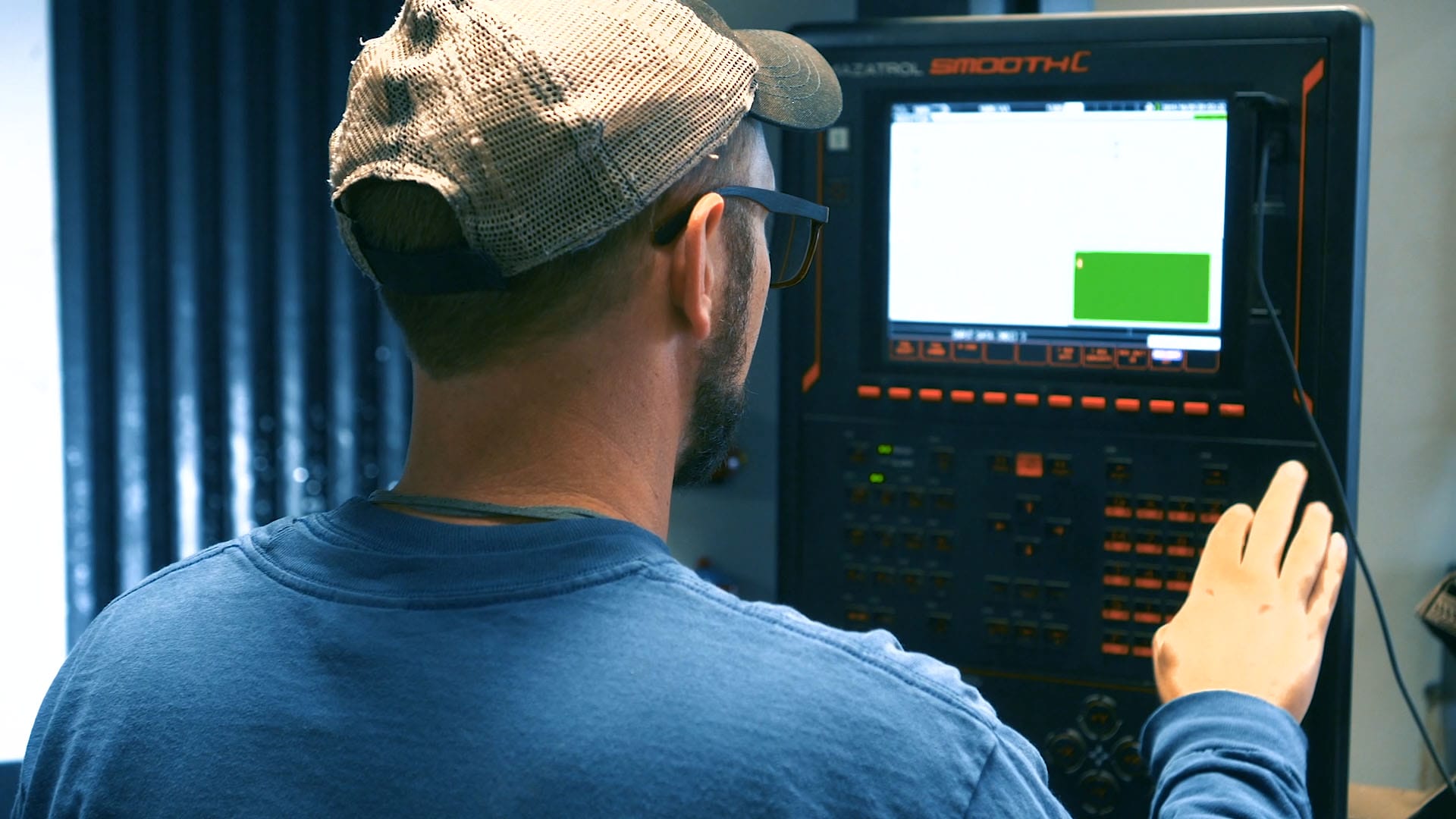
Industrial maintenance work splits along trades that do not always exist on the same crew. PEC’s maintenance technician teams carry combinations of credentials and field experience that match what plants actually need: industrial mechanics who run alignment work and fluid-power repairs, electricians who can troubleshoot motor control circuits and three-phase drives, and controls technicians who can read PLC logic and diagnose drive parameters.
The technicians who show up on your floor are matched to the equipment in front of them. A line that mixes mechanical conveyance, electrical drives, and PLC-based control gets a team who can work all three rather than three separate dispatches.
Every visit ends with field notes that document what was done and what was observed, so the next visit, whoever runs it, picks up where the last one left off.
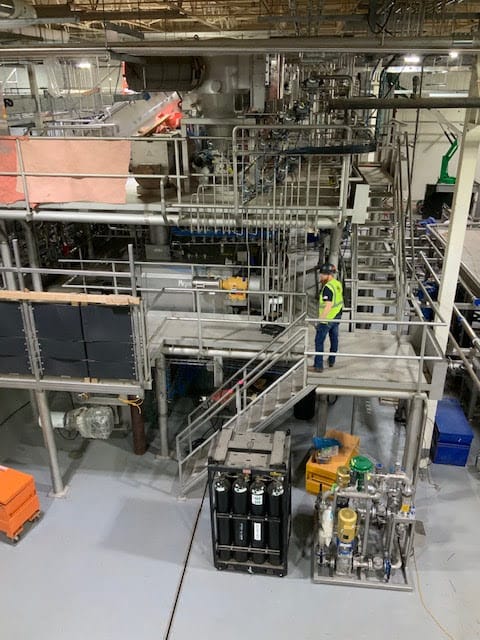
Most industrial plants run a mix of preventive, predictive, corrective, and reactive maintenance because every plant has equipment in different stages of its life and different criticality to production. The job of a maintenance plan is matching the right approach to each asset.
PEC starts with an asset list and a criticality rating: which equipment, when it fails, stops a line, and which equipment can wait. Critical assets get preventive schedules and selective predictive monitoring. Non-critical assets get a leaner plan and a stronger spare-parts strategy so they can be repaired or swapped quickly when they do fail.
The result is a maintenance plan sized to your production reality, not a generic schedule that wastes money on low-criticality equipment and leaves the high-criticality ones exposed.

PEC’s industrial equipment maintenance scope spans the same industries our other divisions also serve.

Whether you are evaluating a new maintenance contractor, supplementing an in-house maintenance team, or rebuilding a program after a turnover, the next step is the same: a conversation with our team about the equipment on your floor, the criticality of each asset, and what your current uptime numbers actually look like.
Send your asset list, your current maintenance arrangement, and any production windows we should plan around. We will work through the scope and a budgetary number, and a member of our team will set up a walk-through if it makes sense.
Diverse Industries, One Trusted Partner
Safety means more than compliance; it’s our covenant with you.






Whether you’re coordinating your next project or proactively planning your plant maintenance, there’s no better time than right now to contact us.