
Process piping is the network of pipes, valves, fittings, and supports that moves the materials a facility actually processes. That includes product, ingredients, chemicals, gases, and steam used in production, plus everything else that flows between tanks, pumps, and equipment. If a pipe carries something that becomes part of the product or the process, it is process piping.
That definition separates it from the pipes most people picture when they hear the word. The broader piping definition covers everything from a home water line to a refinery header, but industrial piping splits into categories with different codes, materials, and stakes.
This guide explains where process piping fits, how it differs from plumbing and power piping, what these systems look like across industries, and what goes into process piping design, installation, and upkeep.
Walk through any production facility and you will see pipe running in every direction. Only some of it is process pipe. Process piping systems are the ones tied directly into production. Think ingredient and product lines in a food plant, chemical feed and transfer lines, compressed gases used in the process itself, and the CIP (clean-in-place) circuits that sanitize between runs.
Utility piping is the supporting cast. Water, plant air, natural gas, and heating and cooling lines keep the building and the equipment running, but they never touch the product. Many projects include both types, and plenty of contractors install both. The difference is that industrial process piping carries higher design standards and closer inspection, because the consequences of a failure run higher. A leaking air line is a nuisance. A leaking product line is lost product, a sanitation problem, and sometimes a safety event, all at once.
One more note on terms. You will see process pipework in British and international specs, and piping system in code language. Both mean the same assembly of pipe, fittings, valves, supports, and instruments working together. The pipe itself is just the biggest part.
No, and the distinction matters more than it sounds. Plumbing brings potable water into a building and takes waste out. It is governed by plumbing codes and inspected by plumbing inspectors, and the licensed trade behind it is built around those systems. Process piping carries the materials of production and falls under industrial piping codes (ASME B31.3 is the most common), with different rules for materials, welded joints, pressure testing, and documentation.
The trades differ too. A licensed plumber is not automatically qualified to weld stainless product lines, and a process pipe welder is not licensed to run your building’s water service. When people search for process piping and plumbing together, they are usually trying to figure out which trade their project needs. The honest answer is that many industrial projects need both, just not from the same crew. If the pipe touches your product or your process, it belongs to the process piping side of the house.
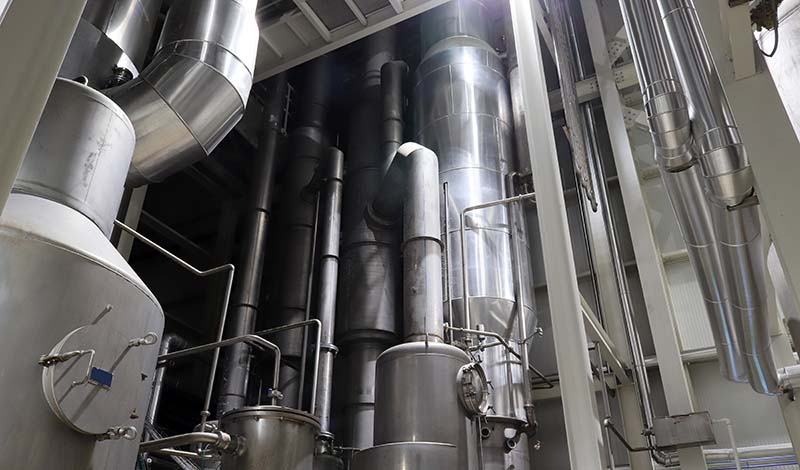
Power piping is its own category with its own code (ASME B31.1). It covers the high-energy systems around boilers and steam generation, meaning the piping that produces power or heat for the facility. Those systems run at pressures and temperatures that demand their own design rules.
Process piping covers what the plant does with that energy. Steam headed to a turbine is power piping territory. Steam injected into a cooker at a food plant is process piping. The line between them is drawn at what the fluid is for, not what the fluid is. On real projects the two systems meet at defined boundaries, and the design has to get those handoff points right so each side carries the correct code requirements.
The same trade looks different depending on what flows through the pipe. Three industries show the range.
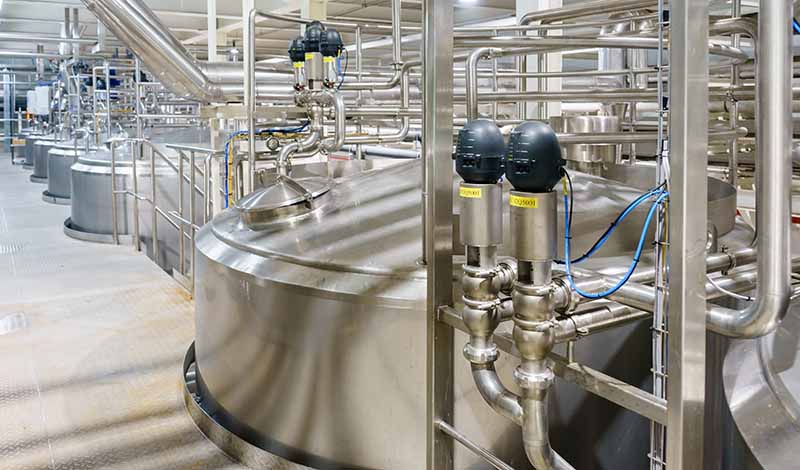
Sanitary stainless systems dominate here. Product lines, CIP circuits, and cooking and sterilization steam all have to meet USDA and FDA expectations for cleanability. Welds get ground and polished smooth, dead legs get designed out, and drainability matters as much as flow rate, because anywhere product can pool is somewhere bacteria can grow. For a closer look at how this work differs from general industrial pipe, read our guide to industrial vs. sanitary piping.
Compatibility drives everything in chemical service. The pipe material has to survive what it carries, so these plants mix stainless, specialty alloys, and lined or plastic piping depending on the chemistry. Containment, venting, and gasket selection get serious attention. A small leak in a water line is a mop job. A small leak in a chemical line can shut down an area and generate a report.
These facilities take sanitary design even further. High-purity water systems, clean steam, and product lines run under strict documentation requirements, and the installation record matters as much as the installation itself. Weld logs, material certifications, and inspection reports follow the pipe for its entire service life. Bio-science manufacturing work rewards contractors who take the paperwork as seriously as the welding.
The types of pipes and their uses in industry and construction come down to a short list of workhorses. The different types of piping each earn their place in specific services:
Choosing among process piping materials means weighing what the pipe carries, at what temperature and pressure, how it gets cleaned, and what the budget can stand. Getting that decision right during design is far cheaper than replacing a piping system that corroded early. When in doubt, the service conditions decide, not the price sheet.
A dead leg is a section of pipe where product can sit without flowing. Picture a capped branch left over from an old configuration, an unused bypass loop, or an instrument tee that extends too far from the main run. The fluid in that pocket goes stagnant while the rest of the system flows.
Why it matters depends on the service. In sanitary systems, stagnant product breeds bacteria that CIP cycles may never reach. In chemical service, stagnation concentrates corrosion in one spot. Good process piping design minimizes dead legs from the start, and good maintenance programs audit for the ones that creep in when systems get modified over the years. If your plant has been reconfigured a few times, a dead leg survey is worth the walk. Food safety auditors look for them too, which makes the survey cheaper than the citation.
A piping system lives in three phases, and each one can make or break the other two.
Design starts with the P&ID (the piping and instrumentation diagram) and ends with routings, supports, and material specs a crew can actually build from. Good process piping design accounts for thermal expansion, slope and drainage, access for future maintenance, and the code the system falls under. It also plans the tie-in points where new pipe meets existing systems, which is where most field surprises hide. Shortcuts at this stage do not disappear. They just move to the field, where they cost more.
Piping construction is fabrication-heavy work. Pipe spools get welded in the shop, where position, lighting, and quality control all favor the welder, and then field crews set, fit, and tie the system together on site. Sanitary work leans on TIG welding for the smooth internal finish those systems demand. Industrial piping installation ends with pressure testing, typically hydrostatic, and on code and sanitary jobs the documentation of every weld and test gets turned over with the system. Skipping steps in testing is how startup surprises get built into a plant.
Process piping ages in service even when nothing goes wrong. Supports loosen, gaskets weather, insulation hides corrosion underneath it, and modifications add dead legs nobody drew on the original prints. A steady rhythm of visual inspection, leak checks, and periodic integrity reviews keeps small findings from becoming unplanned outages. The plants that treat their piping system as an asset, rather than background scenery, are the ones that never make the news.
If your project involves new process piping installation, a reroute, a material upgrade, or tie-ins during a shutdown window, you need more than a guide. That is the point where a process piping contractor earns their keep, turning drawings and code requirements into a system that holds pressure on the first test.
PEC has delivered process piping services for 30+ years through our industrial services and maintenance division, with AWS-certified welders, deep stainless and sanitary experience, and a 70,000 sq ft fabrication shop in Covington, GA. Whether you need one line rerouted or a full system designed and built, contact us and let’s talk through it.