
Safe crane work starts with knowing how gravity, boom angle, and wind affect suspended loads. Crews who study these forces early can spot trouble before hooks leave the ground and mistakes become costly.
Kick off every shift with a quick talk that reviews site maps, overhead power lines, and slippery surfaces. When everyone pictures the same risks, teamwork improves and blind spots disappear.
Turning these short reviews into a habit builds a culture of industrial lift safety that protects people, equipment, and schedules while setting a solid foundation for every lift to follow.
Regulations exist for a reason: they save lives. Using an OSHA-required checklist keeps small details – like sling angles, tag lines, and load weights – from being forgotten when deadlines press.
Supervisors walk through each item, sign off, and store the plan where the whole crew can see it. Clear paperwork proves compliance and avoids last-minute guesswork that delays production.
A written plan also speeds approvals from safety managers and insurers, cutting red tape and letting the rig move ahead on time and on budget. When changes or delays do occur, a pre-approved plan lets the team make quick, safe adjustments without waiting for additional approvals.
Not all cranes, slings, or shackles are created equal. Matching capacity, reach, and headroom to the task prevents overloads and keeps loads stable in tight quarters.
High-strength round slings protect polished parts, while alloy chains grip rough steel without slipping; each tool has a purpose. Selecting proper lifting equipment the first time saves setup hours and reduces wear on gear.
Good choices boost confidence across the crew, helping projects finish faster and with fewer breakdowns or costly replacements.

Wire ropes, hooks, and shackles work hard and wear out. Before lifting heavy objects, examine rope strands for broken wires or flattened spots that signal fatigue.
Measure hook throat openings and check latches; even slight stretching weakens steel far below rated limits. Reject or repair anything that fails – repairs cost less than accidents.
Routine inspections catch problems early, turning potential emergencies into simple maintenance tasks that keep the schedule intact and the workplace calm. Document inspections in a logbook.
Regular maintenance and proper inspection of rigging gear is crucial for ensuring the safety and efficiency of any lifting operation. Not only does it prevent accidents, but it also helps reduce wear on gear and ultimately saves money.
Balanced loads travel smoothly and stay under control. Position the hook directly over the load’s center of gravity, then raise slowly until rigging lines tighten evenly on every corner.
Keep the boom, load line, and sling legs in one vertical plane; side pulls create shock forces that cranes were never designed to handle.
These basic lifting techniques help crews safely lift without sudden swings, protecting both workers on the ground and expensive equipment in the air. Remember to always use proper rigging equipment, inspect it before each use, and follow the manufacturer’s recommendations for load limits.
People beneath the hook face unique dangers: falling tools, shifting loads, and crane swing radii. Mark exclusion zones with cones or tape, and post spotters to enforce them.
Require hard hats, safety glasses, and high-vis vests so operators can see everyone at a glance, even in crowded yards. Use radios or signals to communicate with workers on the ground.
To protect bystanders, barricade site perimeters and post warning signs. If cranes must block streets, submit traffic management plans to local authorities for approval.
When using cranes in close proximity to power lines, it is essential to follow proper protocols and maintain a safe distance.
Focusing on worker safety and health keeps injury rates low, morale high, and projects running without costly lost-time incidents.
Not every lift needs a crane. Pallet jacks and a sturdy hand truck can relocate boxes, pumps, or tool chests across smooth floors in minutes.
Using the simplest tool keeps cranes free for heavier picks, reducing lineup waits and smoothing daily production flow.
Training crews to choose wheeled aids for light items lowers wear on rigging gear and minimizes traffic around the main lift area, trimming overall project risk.
Signals matter when engines roar. Assign one qualified signal person who uses standard hand signs or radio calls while everyone else stays silent.
Clear messages remove confusion, letting operators focus on boom angle and load position instead of guessing crew intentions.
Strong communication is the backbone of industrial lifting safety, especially during tandem lifts where two cranes share the same payload and timing must be exact.
Inadequate communication can lead to serious accidents and injuries. Therefore, it is crucial for all crew members involved in industrial lifting operations to be trained on proper signal use and communication protocols.
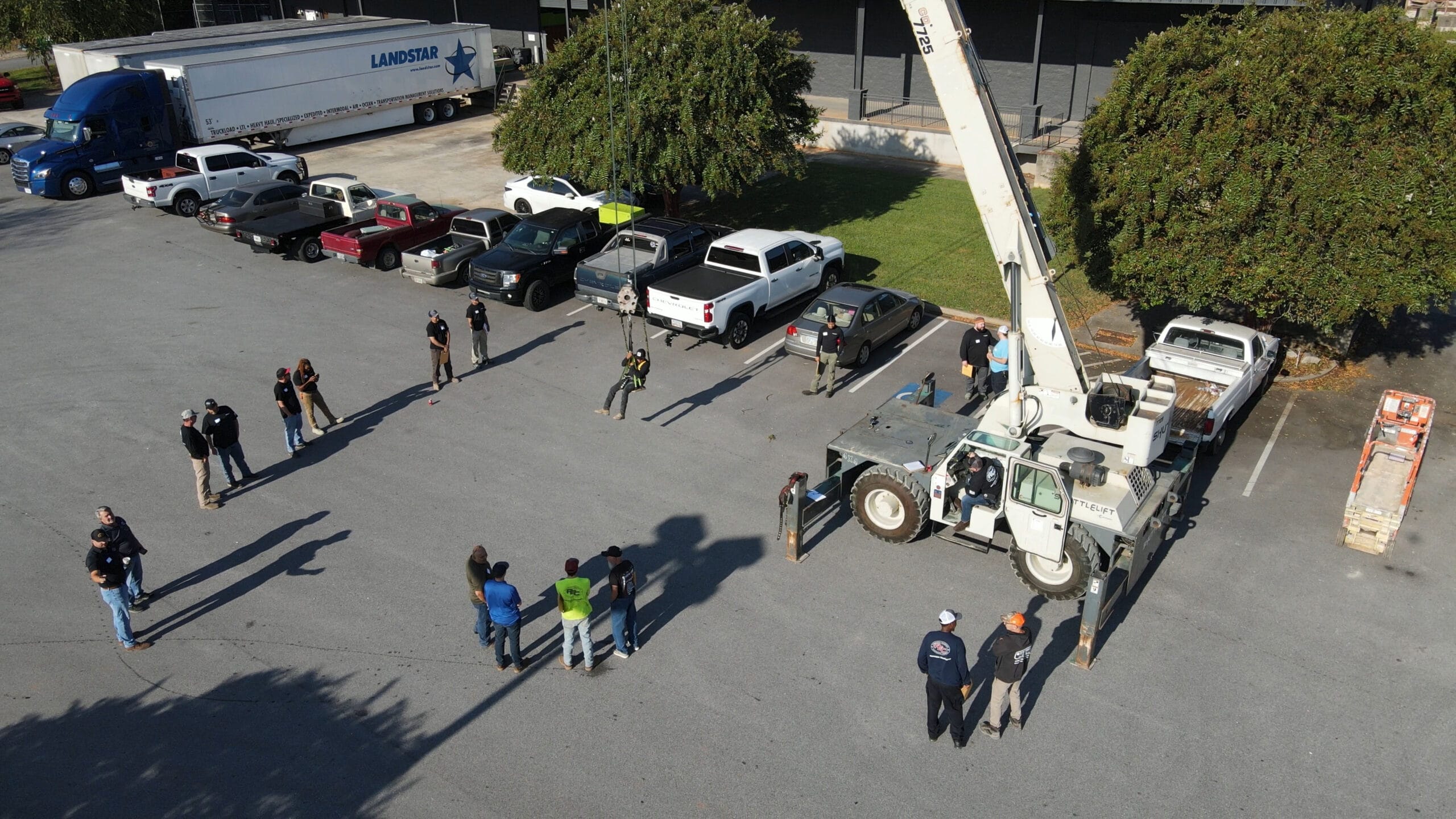
Safety manuals alone do not build skill. Hands-on drills let workers practice slinging, signaling, and emergency stops under realistic conditions.
Refresher courses on weight charts and sling angles keep veterans sharp and give new hires confidence from day one.
Ongoing education embeds best practices deep into company culture, creating a cycle of industrial lifting safety that improves every season.
Complex lifts demand experience, equipment, and coordination. Process Equipment & Controls offers end-to-end support – engineering studies, rigging plans, certified gear, and skilled crews – so you can focus on production.
We serve as your single point of contact from the first site visit to the final delivery, streamlining approvals and reducing project risk while meeting every deadline.
Ready to raise safety, cut delays, and complete lifts with confidence? Contact PEC today to schedule a consultation and put proven industrial lift safety techniques to work on your next project.