
PEC plans, staffs, and executes plant shutdowns and turnarounds across the Southeast, with every trade under one contract and one schedule.
A turnaround is a planned shutdown of a production facility so that maintenance, repairs, inspections, and capital work can happen while equipment is safely offline. You will hear the same work called a shutdown, an outage, or project turnaround services depending on the industry, but the goal never changes.
A plant turnaround compresses weeks or months of mechanical work into a short window, and every hour of that window is production the facility is giving up on purpose.
The discipline behind refinery turnaround services, applies just as much in a manufacturing plant as it would in a food processing facility. Good turnaround services are a planning exercise first and a wrench-turning exercise second.
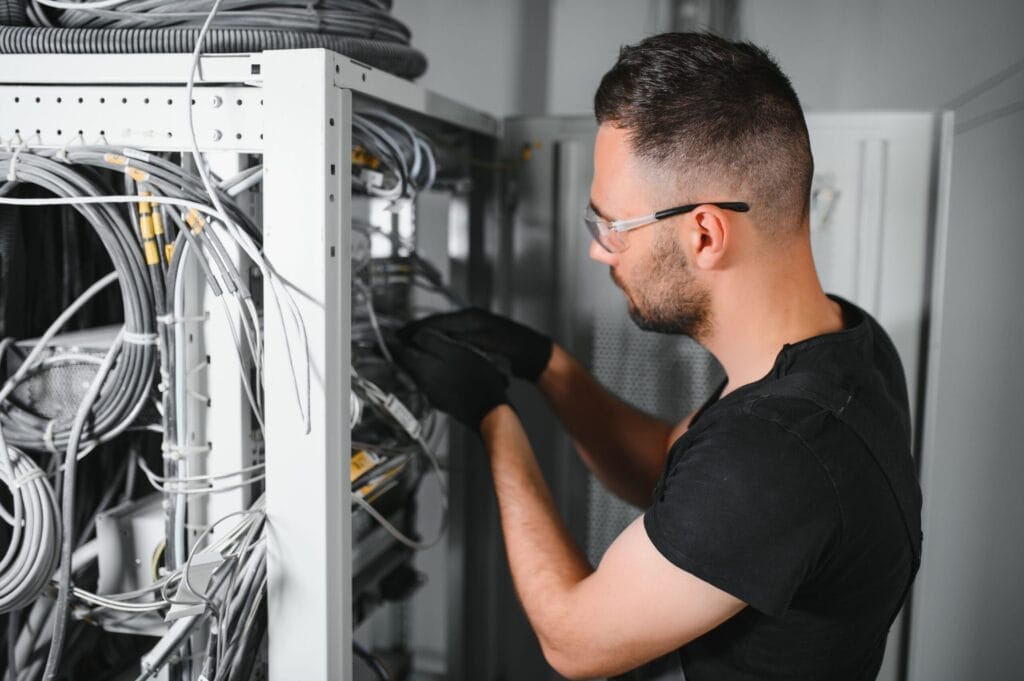
In most conversations these terms are interchangeable. However, shutdown services cover any planned stoppage where a contractor performs work while equipment is offline, from a weekend line stop to a multi-week outage. A turnaround usually means a bigger version where there is a scheduled, scoped event that bundles maintenance, inspections, repairs, and capital work into one planned window.
Whether your plant calls it a shutdown, an outage, or a turnaround, the contractor’s job is to finish the list before the window closes, and that is the standard we plan against.

PEC self-performs the scopes that fill most shutdown work lists, whether the window runs a weekend or several weeks:
Because the crews come from our own divisions, you are not managing a roster of subcontractors during the most schedule-critical week of your year. You’ll get one work list, one contractor, one accountability chain. And if a scope on your list is not shown here, just ask. Most of what a plant needs during an outage is work we already do every day between our divisions.
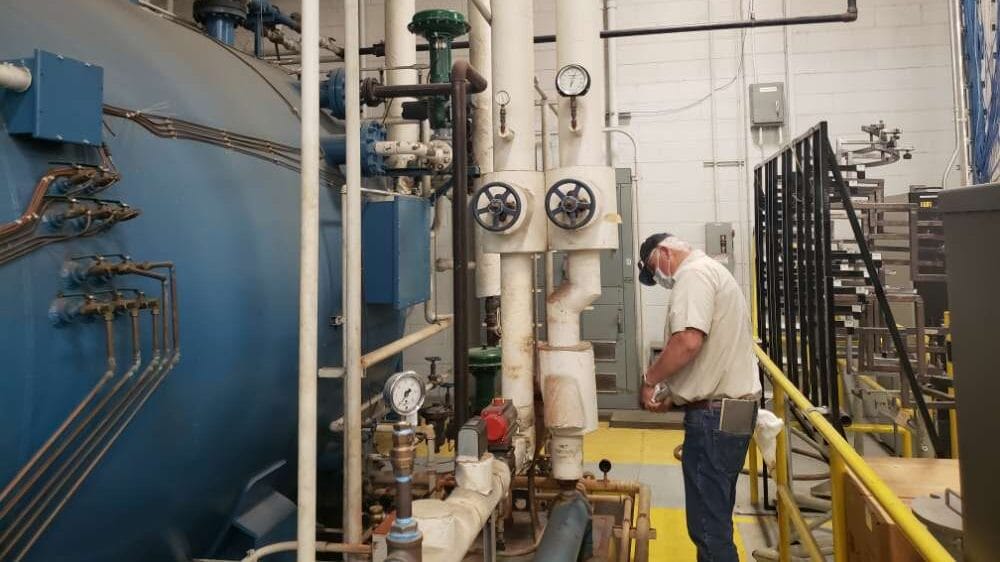
Plenty of turnaround companies staff a single trade and leave you to coordinate the rest. The problem is that shutdown work lists rarely respect trade boundaries. The gearbox swap needs a millwright, the motor swap needs an electrician, the pipe reroute needs a welder, and all three need to happen in the same window without standing on each other.
PEC fields millwrights, welders, fabricators, electricians, and controls technicians from one shop, coordinated by one project team inside our industrial services and maintenance division. When the schedule shifts (and shutdown schedules always shift) the trades resequence together. That is the practical difference between hiring construction and turnaround services from one contractor and stitching them together from four.

Shutdowns come in three basic flavors, and each one asks something different of the contractor.
Annual turnarounds are the backbone of most maintenance calendars. The work list builds all year through your industrial maintenance program, and the shutdown window is when the deferred and the preventive work finally gets done. These reward early planning more than any other project type, and after startup, a steady equipment maintenance program keeps next year’s list shorter and the next window calmer.
These follow inspection schedules, insurance requirements, sanitation mandates, and code deadlines rather than the production calendar. The scope is often non-negotiable and the documentation matters as much as the work, so crews need to be as disciplined with paperwork as they are with tools.
No one schedules an emergency. When a critical machine fails and the line stops, the plan gets built in hours, not months. PEC supports unplanned outages through 24/7 on-call emergency repairs, with stocked common parts and a shop minutes away rather than states away.

Welding is the scope that most often decides whether a shutdown finishes on time, because it sits in the critical path of piping, structural, and equipment work alike. PEC brings AWS-certified welders to every outage, covering turnaround welding services in place on your floor and fabrication support back in our shop running in parallel.
Our specialty welding services include stainless and sanitary work for food and beverage environments, carbon and structural welding for frames and platforms, and the repair welding that keeps worn equipment serviceable until its replacement arrives.
When a scope calls for specialized welding services beyond a standard repair, we would rather tell you early and plan for it than discover it mid-outage. Pipe welding on process and utility lines runs its own critical path during an outage, which is why weld counts and access get planned alongside the schedule instead of after it.
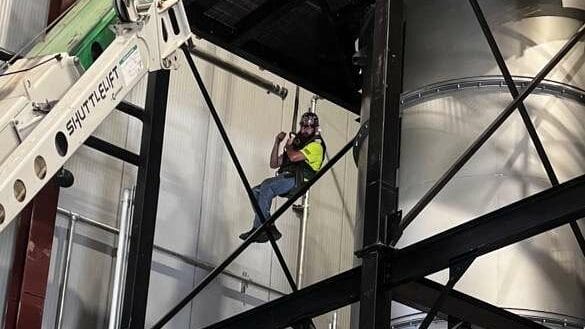
Your shutdown window is fixed by production, customers, and budgets long before we arrive, so our planning anchors to your dates rather than asking your dates to move. Here is how a typical turnaround comes together with PEC.
We walk the facility with your team, review the work list line by line, and separate the must-do items from the nice-to-haves. Honest scoping up front is what keeps the last day of the outage from becoming a triage exercise.
Everything that can happen before the shutdown, happens before the shutdown. Materials get ordered, piping spools and structural steel get fabricated in our shop, and crews get briefed on the sequence so day one starts with wrenches instead of questions.
Crews, tools, rigging, and welding equipment arrive staged to the plan. Lockout tagout coordination, permits, and safety orientation happen with your team before the first bolt turns.
During the window, the work runs on the schedule, not the clock. PEC crews work the shifts the outage demands, with supervision tracking progress against the work list daily so surprises surface while there is still time to recover.
We stay through startup, verify alignment and operation under load, and walk the punch list with your team. You get documentation of what was done and what we found, which becomes the first draft of next year’s work list.
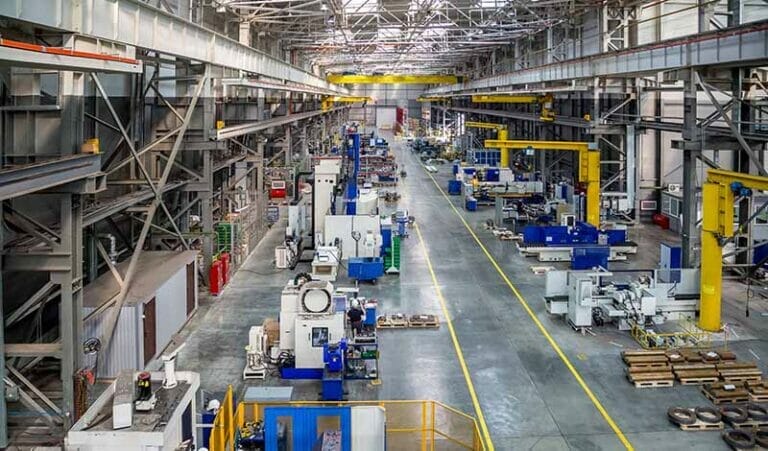
Most blown shutdown schedules trace back to the same few causes. Scope creep lets the work list grow after the plan is set. Discovery work surfaces when equipment comes apart and reveals damage nobody budgeted time for. Late materials leave crews waiting, and trade stacking puts too many people in the same space at the same hour.
Planning cannot eliminate discovery work, but it can build in contingency time, stage likely spare parts, and sequence trades so a surprise in one area does not stall the whole outage. That is why our process starts with the work list and the fabrication shop instead of the mobilization date. The fastest field crew in the world cannot recover time that was lost in the plan.
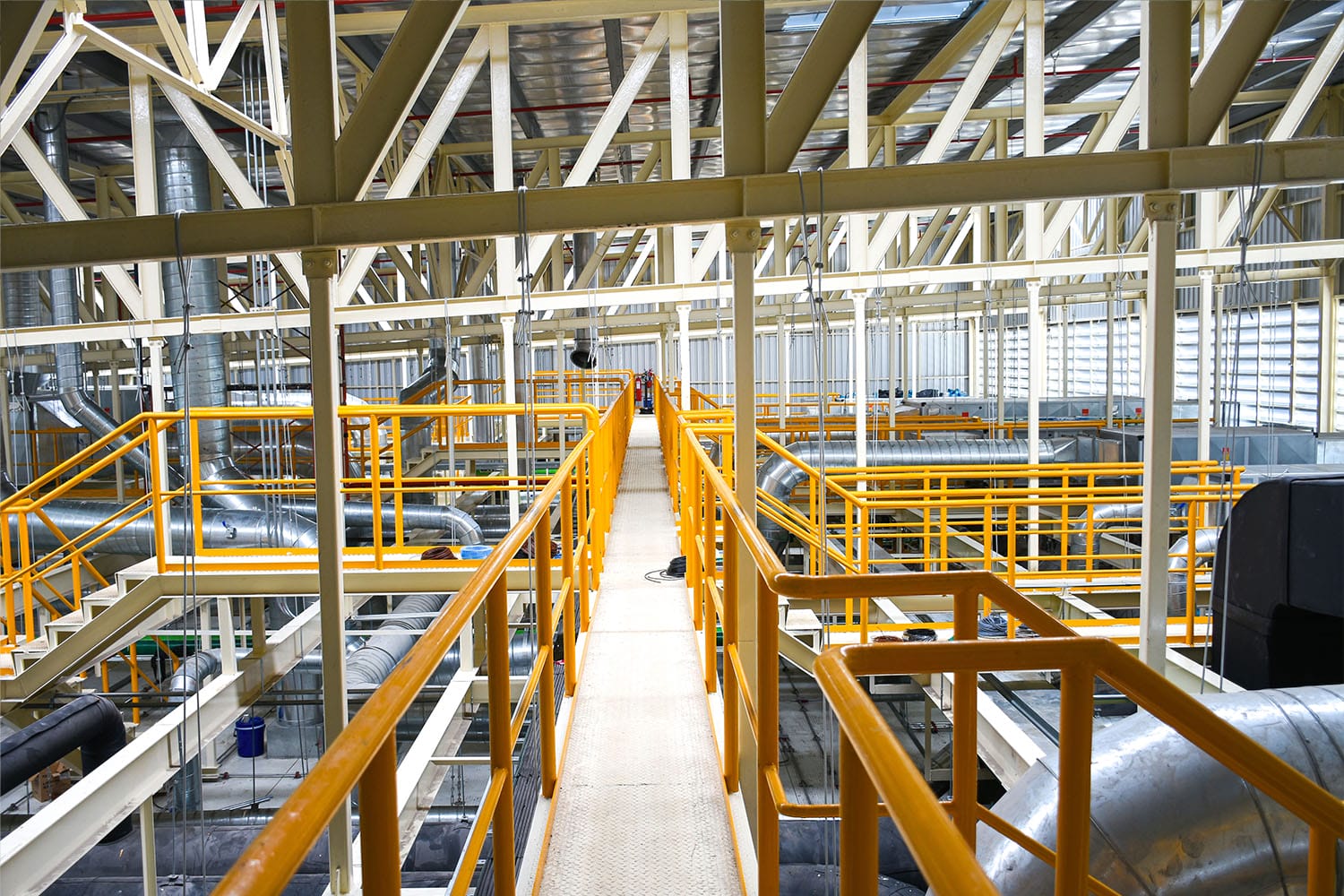
Turnarounds look different across industries, but the stakes rhyme.
Construction turnaround services in these environments demand crews who respect permits and procedures without losing schedule urgency, and that balance is a culture rather than a checkbox. Whatever the industry, the contractor’s job is the same, which is to give the plant back on the day it was promised.

Turnaround capacity across the industry gets committed months ahead of the busy seasons, so the earlier this conversation happens, the more options you keep. A few questions will tell you whether it is time to get a contractor involved:
If you answered yes to any of these, the best time to talk is well before the window opens. Early conversations cost nothing and give the fabrication and planning work room to happen off your critical path.
PEC has spent 30+ years doing shutdown and turnaround work across the Southeast, backed by a 70,000 sq ft fabrication facility in Covington, GA and crews that cover every trade a work list can throw at them. For facilities that want one contractor from planning through startup, our turnkey industrial services carry the whole scope.
Whether your next window is a planned annual turnaround, a compliance outage, or a breakdown that refuses to wait, we are ready to roll up our sleeves. Explore our services, or contact us, and let’s get your shutdown planned while the calendar is still your friend.
Diverse Industries, One Trusted Partner
Safety means more than compliance; it’s our covenant with you.






Whether you’re coordinating your next project or proactively planning your plant maintenance, there’s no better time than right now to contact us.