
PEC builds and retrofits mission critical facilities across the Southeast, with electrical, mechanical, and structural trades working under one roof.

Mission critical construction is the building and retrofitting of facilities where downtime is not an option. If the operation inside the building stops, the business stops with it. That could mean anything from a data hall dropping offline, to a trading floor going dark, or a production line feeding a just-in-time supply chain going quiet.
That standard changes how construction happens. Redundant power and cooling get built in rather than bolted on. Work inside live facilities gets planned around systems that cannot blink, sometimes down to the hour. And every trade on site carries a heavier documentation burden, because the owner has to prove the facility will perform before real load ever arrives.
If you are trying to define mission critical for your own complex project, it comes down to one question. Can this operation tolerate an unplanned stop? If the answer is no, you are building in mission critical territory, and the contractor you choose should already know what that means.
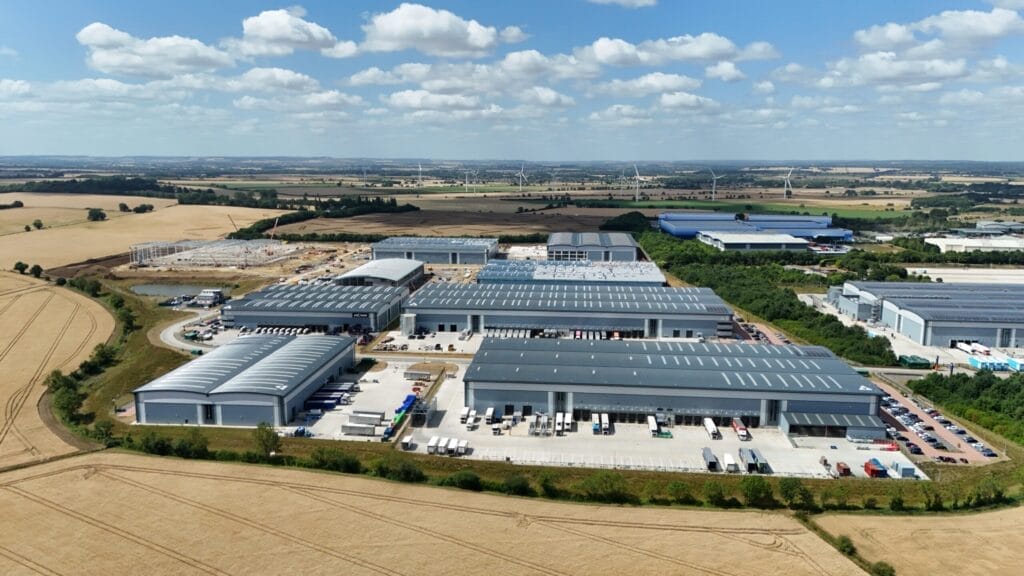
Who builds data centers and facilities like these? Specialized general contractors lead the projects, and they lean hard on trade contractors who can execute inside critical environments without drama.
That trade layer is where PEC works, across the data center market and beyond.

MEP stands for mechanical, electrical, and plumbing, the three building trades that make any facility function. In everyday construction, MEP is a chapter of the project. In mission critical work, MEP essentially is the project, because the building exists to house power, cooling, and the controls that tie them together.
In a data center, the MEP scope breaks down like this:
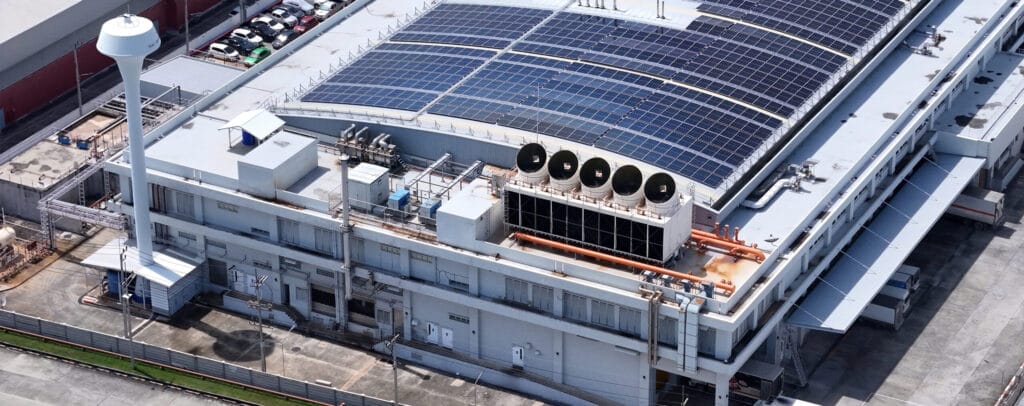
Data center construction is the specialized building of facilities that house computing infrastructure, centered on power, cooling, structure, and security rather than people. The work blends heavy civil and structural scopes with an MEP program larger than most factories carry, followed by a commissioning phase that proves every system before servers ever arrive.
It is the deepest end of the mission critical pool, and it has its own playbook. That is why PEC serves it through a dedicated division rather than treating it as one more job type. If your project is data center specific, start with that division. If your operation is critical but not a data hall, this page is your front door.

PEC provides the trades that critical facilities lean on hardest:

Mission critical projects fail at the handoffs between trades more often than at the work itself. When the electrical vendor, the mechanical sub, and the steel erector all report to different firms, every interface becomes a negotiation. Every problem becomes a search for whose problem it is, and the schedule pays for the search.
A mission critical contractor carrying multiple trades under one contract removes that layer. At PEC, the crews pulling power and the crews setting equipment answer to the same project team, work the same schedule, and turn over one coordinated documentation package. When something shifts, and on fast-track critical projects something always shifts, the trades resequence together instead of defending their own scopes.
That structure also simplifies life for the general contractor. One qualification package, one point of contact, one firm accountable for a multi-trade scope.

Critical-environment owners vet contractors long before the first badge gets printed. PEC crews carry OSHA 30-hour training, the company maintains standing with contractor qualification platforms including ISN and Avetta, and AWS certification stands behind our welding. Those credentials get checked on every mission critical facilities project, and we keep them current because of it.
Critical projects run on evidence, from torque logs and point-to-point checkout records to as-builts that match what is actually in the wall. Owners and commissioning teams need to verify work without re-walking every system, and contractors who turn over clean records the first time keep schedules moving.

Industry-wide, data center construction projects commonly run from around a year for smaller builds to two years or more for hyperscale campuses, with the MEP scope driving the critical path. It’s possible the schedule is built around long-lead equipment like generators, switchgear, and chillers.
Every project is its own case, and the honest answer about project delivery depends on scale, site, power availability, and equipment lead times. What reliably compresses schedules is early trade involvement, off-site fabrication, and clean handoffs into commissioning. What drags them out is discovering coordination problems in the field that should have been spotted in a planning meeting.

PEC has spent 30+ years building for operations that cannot afford surprises, from manufacturing plants to the data center market. We bring self-performed trades, a fabrication shop that keeps steel and skids moving in parallel with site work, and crews accustomed to environments where uptime rules everything.
Whether your next project is a new mission critical facility, a retrofit inside a live environment, or a multi-trade scope that needs one accountable partner, we are ready to roll up our sleeves. Explore What We Do, or Let’s Talk and tell us about the build.
Diverse Industries, One Trusted Partner
Safety means more than compliance; it’s our covenant with you.







Whether you’re coordinating your next project or proactively planning your plant maintenance, there’s no better time than right now to contact us.