

A mechanical contractor designs, builds, and maintains the mechanical systems inside an industrial or heavy commercial building. This covers process piping, equipment installation, mechanical construction scope on plant expansions, and the ongoing maintenance work that keeps the equipment running between projects. On any given industrial project, the mechanical contractor is one of the trades that turns architectural drawings and equipment specs into a running production line.
Industrial mechanical work is not the same as residential or commercial HVAC. Both groups use the word “mechanical,” but the trades, certifications, equipment, and project rhythm are different. PEC is an industrial mechanical contractor, which means we support factories, manufacturing plants, food and beverage facilities, automotive operations, bio-science and pharmaceutical environments, data centers, and more.

Industrial mechanical contractors split their work into five recognizable scopes. A given project may use one of them or several, and the firms that earn the most repeat work are the ones that can run all five without subcontracting them out.
1
Carbon steel, stainless steel, alloy, copper, and plastic piping for process fluids, gases, steam, and utilities. The work includes spool fabrication (in-shop or in the field), field installation, pressure testing (hydrostatic or pneumatic depending on the spec), and the documentation that travels with the pipe. The biggest differentiator across contractors here is whether they fabricate in-house or sub out the spool work. In-house fabrication usually shortens schedules and tightens quality control.
2
The build-out of new production lines, plant expansions, and major retrofits. Sequencing the trades, landing the equipment, integrating with existing infrastructure, and managing the punch list. Mechanical construction is where multi-trade coordination matters most, since the mechanical scope ties to structural steel, electrical, and controls scope at every interface. The firms that struggle with mechanical construction are the ones that don’t carry the adjacent trades in-house.
3
Preventive, predictive, and reactive maintenance on installed equipment. The work that keeps the line running between major projects, often handled by the same firm that ran the original installation. The maintenance relationship is usually where mechanical contractors earn the next project. A firm that disappears after commissioning is a different animal from one that’s still on the floor a year later when an unexpected failure shows up.
4
Setting tanks, pumps, motors, gearboxes, presses, conveyors, and process skids on the floor and connecting them to power, piping, and controls. PEC’s millwright and rigging team handles the heavy moves, which means the mechanical and rigging scope close under one contract instead of splitting between two firms with separate insurance, separate schedules, and a coordination gap between them.
5
The programmable logic controller (PLC) programming, motor drives, instrumentation, and human-machine interface (HMI) work that turns standalone equipment into a coordinated production line. Many mechanical contractors stop short of controls work and hand the integration to a separate firm. The firms that run controls in-house compress the commissioning timeline because the same team is signing off on both the mechanical install and the control logic.
A specialty contractor may run one or two and subcontract the rest. A turnkey mechanical contractor like PEC runs all five and delivers the whole project under one PM.

Industrial mechanical scope is the same trade everywhere on paper. In practice, every industry has its own equipment patterns, regulatory environment, and project rhythm.
A mechanical contractor with deep experience in your industry will spot the failure modes, regulatory needs, and coordination realities before they show up on your job.

Six criteria that hold up across project types and budget sizes:
1
Mechanical contractor licensing varies by state. Specialty licenses cover process piping, structural welding, and electrical/controls integration when the scope crosses trades. Ask which licenses cover the specific scope and which subcontractors fill the gaps.
2
A contractor with food and beverage experience knows sanitary stainless welding, washdown environments, and the regulatory documentation that comes with them. A data center mechanical contractor knows the urgency, the safety protocols, and the trade-coordination realities of mission-critical work. A general contractor running their first food-grade plant expansion is paying tuition on your project.
3
Industrial work happens around moving equipment, energized electrical, pressurized piping, and elevated work; safety is non-negotiable.
4
Some mechanical contractors run only piping or only installation. Others run the full mechanical scope plus integrated electrical and controls. The single-trade contractor is sometimes the right call for narrow scope; the turnkey contractor reduces handoffs on bigger work.
5
A contractor that handled the last $500K piping retrofit may not have the team or the supply chain depth to handle a $20M plant expansion. Ask about recent comparable-scale work.
6
regional mechanical contractor with crews and project managers near your plant moves faster on punch list work and emergency response than a national contractor flying technicians in. The local relationship matters once the project is running.

Concrete prices are rare because every project is priced from its own scope. Here’s a framework of the drivers that govern the price of a project based on the decisions that affect the cost.
The drivers, roughly in order of impact on most industrial projects.
A good mechanical contractor walks the site, looks at the drawings, asks about the schedule and the shutdown windows, and prices the project against what they actually saw, not a generic per-square-foot template. If the bid you receive doesn’t reflect that walk-through, you’re not looking at a real number.
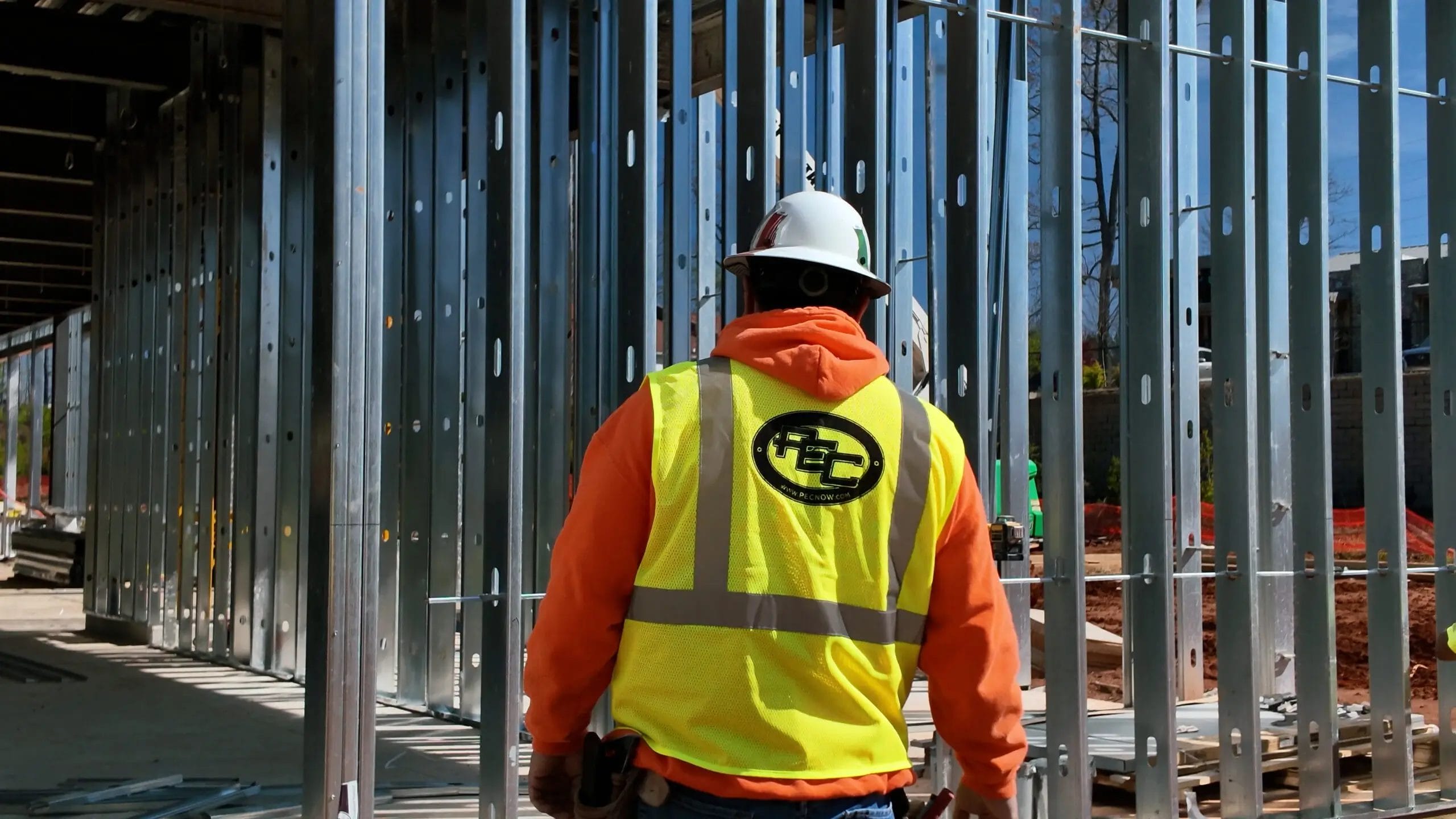
PEC has been running industrial mechanical work across the Southeast for thirty plus years, with a 150-plus team based at our 70,000 square foot facility located in Covington, Georgia.
Here’s why plant managers and general contractors keep bringing us back:
Most mechanical contractors run the piping and the equipment installation but subcontract the electrical and controls scope. PEC’s Industrial Services & Maintenance, Electrical & Controls, Automation & Robotics, and Structural Steel divisions all work from the same Covington facility, under the same project managers. On any project that crosses trades, that single-source positioning shows up as fewer handoffs, faster decisions, and one accountable team.
The track record runs from a single retrofit bracket up to multi-million-dollar plant expansions and data center electrical packages. The scale matters because a contractor used to small-scope work cannot suddenly run a $20M project; the organizational depth has to already exist.
PEC’s home base is Covington, Georgia, with crews and PMs working across Georgia, Alabama, Tennessee, the Carolinas, Florida, and the broader Southeast. For most clients, the closest project manager to your plant is already on PEC’s team.
Every project closes with as-built drawings, weld maps and torque records where applicable, equipment turnover packages, and the documentation your engineering and QA teams need to put the project in the rearview. The paper trail survives a maintenance manager turnover and a plant audit.
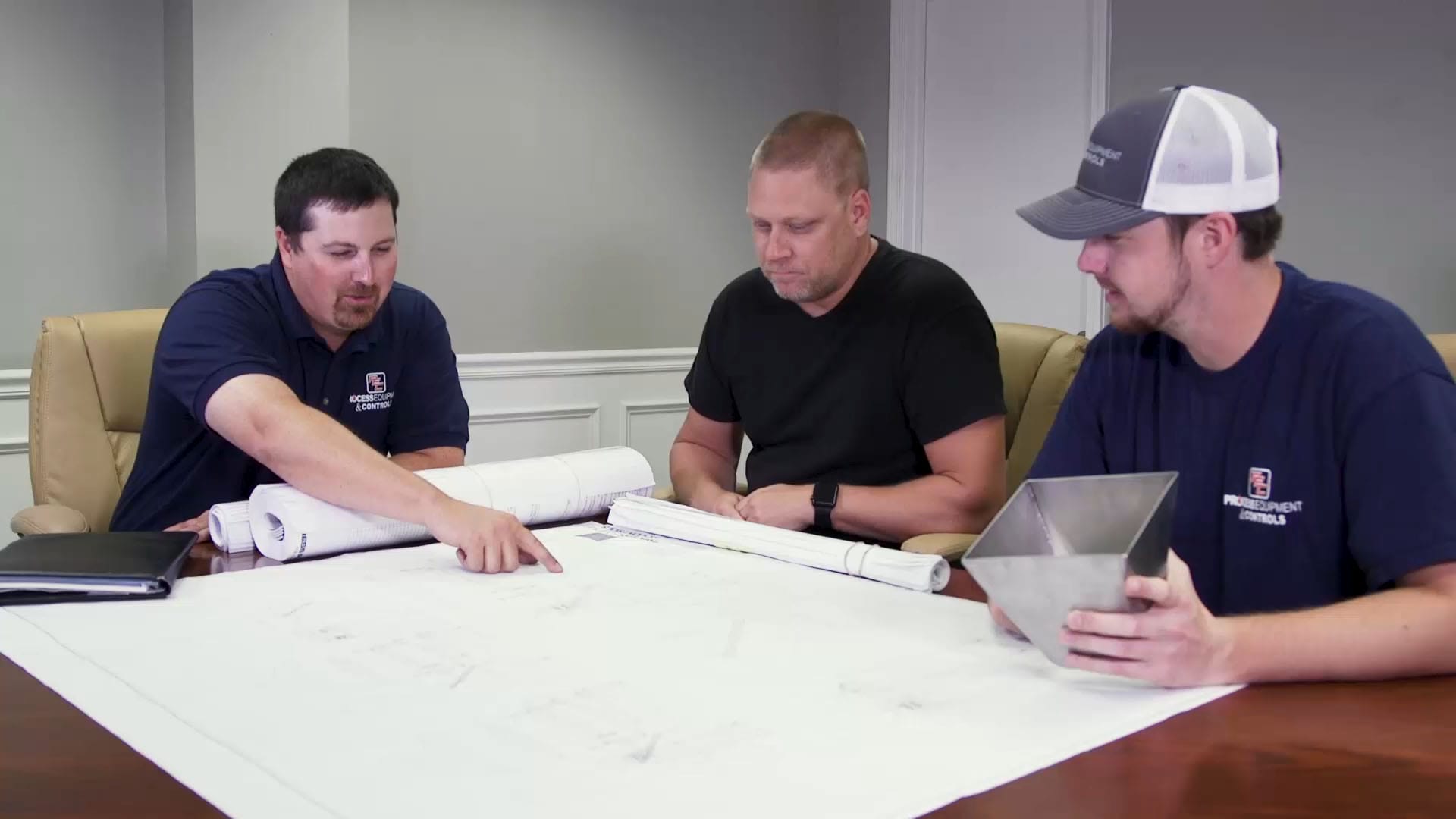
Whether you are a GC PM lining up subs for a plant expansion, a plant ops manager planning a line retrofit, or an engineering firm specifying mechanical scope on a client’s project, the next step is the same: a conversation with our team about what your project actually needs.
Send drawings, equipment specs, your project schedule, and the shutdown windows you have to plan around. We’ll walk through the scope and provide a custom quote tailored to your project.
Diverse Industries, One Trusted Partner
Safety means more than compliance; it’s our covenant with you.







Whether you’re coordinating your next project or proactively planning your plant maintenance, there’s no better time than right now to contact us.